
Products
Geomembranes
Geomembranes are used as impermeable hydraulic barriers. They can be made of thermoplastic materials such as high-density polyethylene (HDPE), linear low-density polyethylene (LLDPE), or polyvinyl chloride (PVC), but can also be manufactured from geocomposites made of geotextiles and bentonite clay, elastomers, or other specialized materials.
Versatile in nature, they are used in a wide variety of applications.
General Documentation
Thermoplastic geomembranes
TM800 (Linear Low-Density Polyethylene – LLDPE)
LLDPE is a polymer with a lower density (<0.939 g/cm³) than HDPE, giving the material greater flexibility. It can therefore be used for structures where significant long-term settlements are expected, or in any application requiring installation flexibility. These geomembranes are available in rolls that can be welded on-site or in preassembled panels (TM800P Series) for easy deployment.
Applications: dikes, cofferdams, contaminated soil sites, root barriers against invasive and/or exotic plants.

TM700 (Preassembled Reinforced Polyethylene)
The TM700 Series geomembranes are geocomposites made of polyethylene reinforced with either a mesh (SR models) or a woven geotextile (WR models), designed for applications requiring resistance to puncture and tearing while offering light weight and flexibility. This series is available in preassembled panels to allow rapid deployment on site. These geomembranes are often used for temporary applications lasting up to five years.
Applications: encapsulation and covering of temporary materials, root barrier, contaminated soil protection.


TM400 (High-Density Polyethylene – HDPE)
The HDPE used for the TM400 Series is the most chemically resistant member of the polyethylene family due to its resin density (0.94 g/cm³). It provides excellent protection against ultraviolet exposure and strong resistance to aging caused by harsh weather conditions.
Applications: ponds, landfills, snow disposal sites, mining projects.

TM200 (Polyvinyl Chloride – PVC)
The TM200 Series geomembranes are made from flexible polyvinyl chloride resin, commonly known as PVC. PVC geomembranes are characterized by their very high elasticity and excellent resistance to acids, alkalis, and alcohols. Although more flexible than polyethylene geomembranes at ambient temperature, PVC does present certain handling limitations at low temperatures.
Applications: ponds, landscaping projects.
Geocomposite
Tex-O-Flex (PVC extruded onto a geotextile)
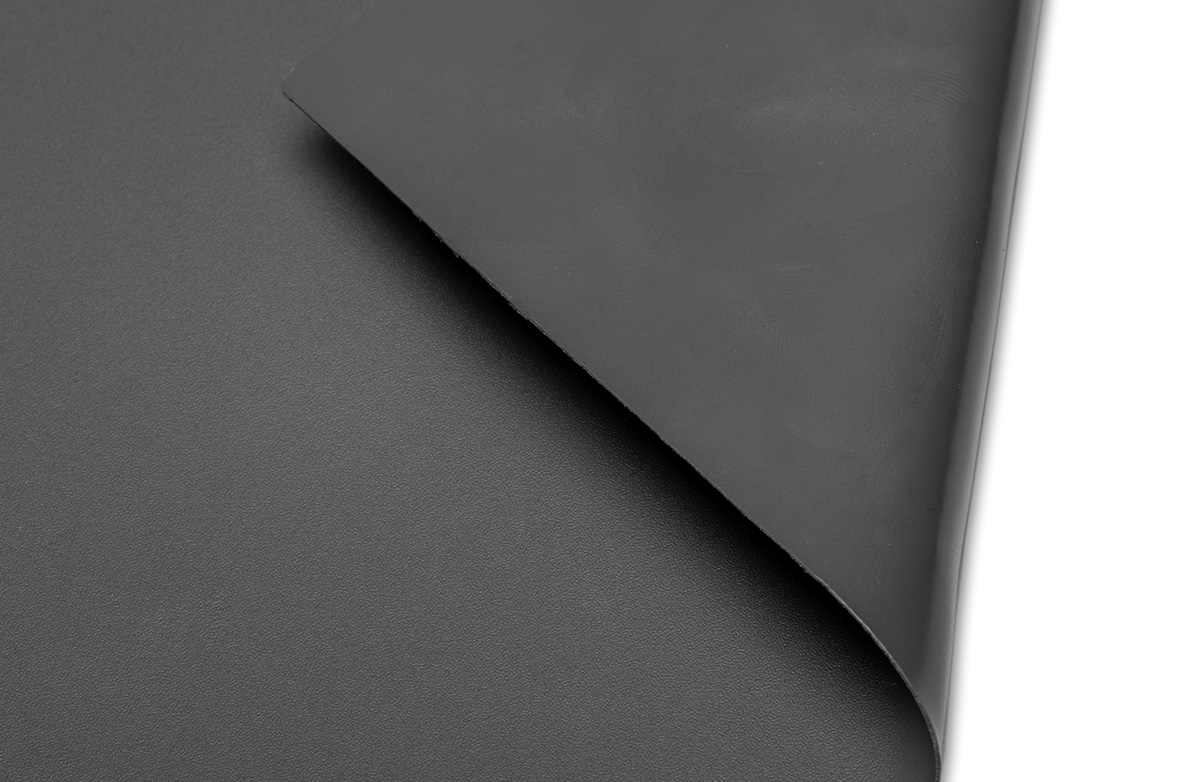
TEX-O-FLEX is a protective composite material made from a PVC geomembrane extruded onto a needle-punched nonwoven geotextile. Its unique multilayer design helps control the effects of freeze–thaw cycles on manholes and catch basins by limiting the misalignment of concrete sections, and it is used for the protection of draining green infrastructure. Tex-O-Flex is also recognized and compliant with the City of Montréal’s requirements for the protection of draining green infrastructure.
Applications: protection of manholes and catch basins, stabilization of concrete sections, protection of draining green infrastructure.


Bentonite Geomembrane
TM600
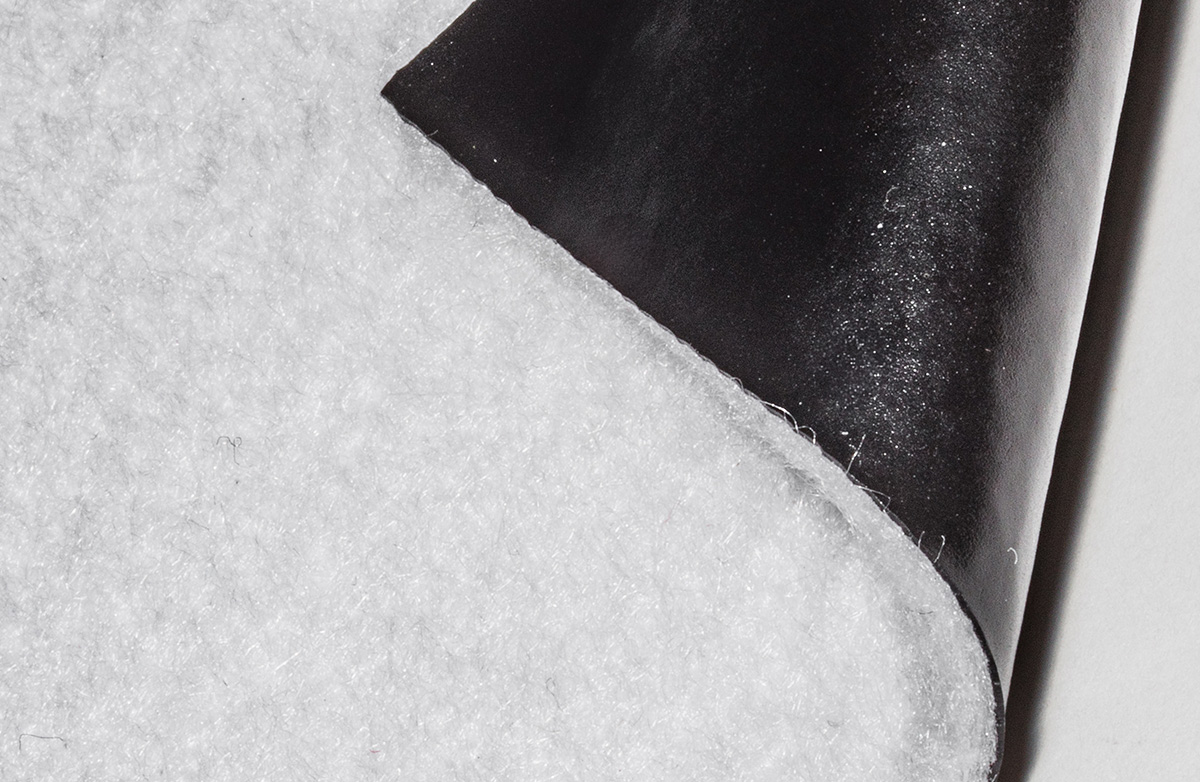
The TM600 Series geomembranes are bentonite geocomposites designed to form an effective hydraulic barrier. These geomembranes are composed of geotextiles encapsulating a uniform core of bentonite clay powder, all assembled through a needle-punching process. Thanks to their composition and manufacturing method, TM600 geomembranes provide greater impermeability than natural clay while offering all the advantages of a technical roll product.
Applications: retention ponds, dike and canal waterproofing, landfill sites, and environmental containment projects.


Bituminous Geomembrane
TM300
Bituminous geomembranes are composed of a nonwoven geotextile impregnated with elastomeric bitumen, fiberglass, sand, and an anti-puncture film. Due to this composition, the geomembrane offers strong mechanical and chemical resistance, allowing it to be used in a wide range of conditions.
Applications: retention ponds, mining projects, railways, industrial platforms, and environmental containment projects.


Building geomembrane
Vapor Barrier
The Building Series geomembranes (TM 500 VB) are high-performance under-slab vapor barriers designed to slow the migration of moisture through concrete slabs. This product is manufactured from polyethylene resins that provide superior physical properties and performance, exceeding the requirements of Classes A, B, and C of ASTM E-1745 (Plastic Water Vapor Retarders Used in Contact with Soil or Granular Fill Under Concrete Slabs).
Applications: beneath concrete slabs in commercial, industrial, and institutional buildings; warehouses; garages; and indoor parking areas.

Gas Barrier (EVOH)
The TM500 VBP geomembrane is a product made of seven layers of polyethylene resins and EVOH (ethylene–vinyl alcohol). It offers high impact resistance and superior resistance to the transmission of toxic gases and moisture. In addition, it is highly durable and designed to prevent natural gases such as radon and methane from migrating through the soil and concrete slab.
Applications: beneath concrete slabs in commercial, industrial, and institutional buildings; warehouses; garages; and indoor parking areas.


